
Regional pricing for subscriptions: what happens at renewal?
Your pricing page promises $12 a month. The first payment is $12. A month later, the customer gets charged $20.
The coupon worked. The promise didn't. A regional subscription offer needs a clear duration, and you need to test what happens after the first successful payment.
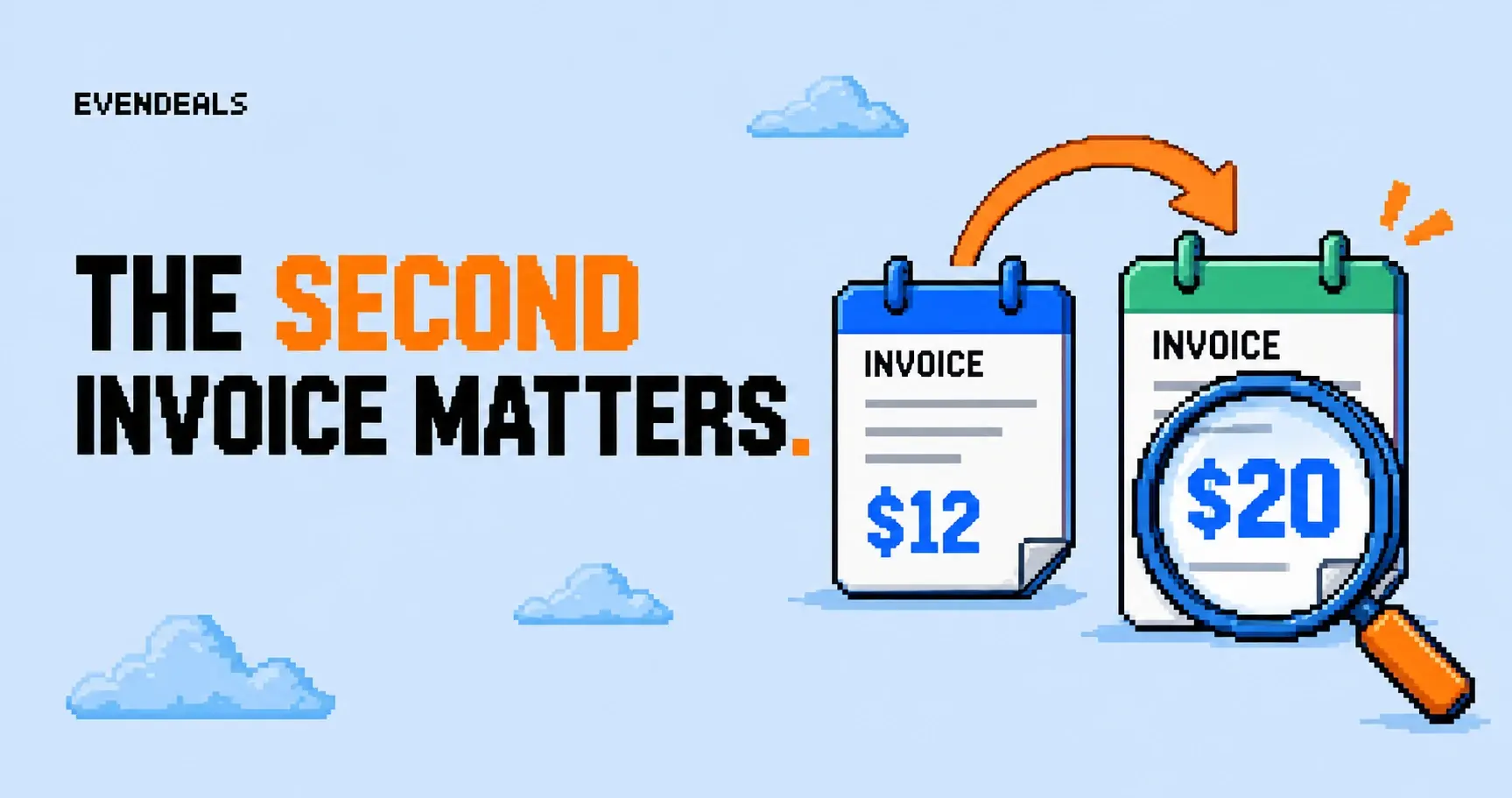
Before publishing the offer, decide whether you're lowering the ongoing subscription price or offering a temporary introduction. Customers should know the answer before they subscribe.
Separate three different deadlines
A regional offer can have a deadline for joining, a duration for the discount, and a billing renewal date. They answer different questions.
The joining deadline says when someone can claim the offer. Discount duration says how long that customer receives the reduction. The renewal date says when the next charge happens.
A banner countdown only describes the display unless you've also configured the corresponding billing behavior. Don't assume the timer changes a subscription or expires a payment-provider coupon.
In Stripe's subscription coupon documentation, discount duration and redemption deadlines are separate controls. It also notes that deleting a coupon doesn't remove discounts already applied to subscriptions. Other providers may behave differently.
Write the renewal promise in plain language
Consider a hypothetical $20 monthly plan with a 40% offer. If the discount applies only to the first invoice, the first charge is $12 and the next ordinary charge is $20 before any applicable tax.
If it applies to each renewal under the terms you've set, the recurring amount is $12 while those terms remain in effect. Those are different products from a customer's point of view, even if the banner says 40% off in both cases.
| Offer design | Example customer-facing wording |
|---|---|
| First invoice only | $12 for your first month, then $20 per month |
| Ongoing regional price | $12 per month while your regional discount remains active; see eligibility terms |
| Limited billing periods | $12 per month for the first three monthly payments, then $20 per month |
Use the wording only if your billing configuration delivers it. State currency and tax treatment where appropriate. If renewal prices can change, explain your notice policy in the subscription terms rather than burying it in support replies.
What does 40% off actually promise?
First invoice only
$12 → $20
First payment: $12. Next ordinary monthly renewal: $20.
Ongoing discount
$12 → $12
First payment and renewal: $12 while the discount remains active.
Check monthly and annual plans separately
A duration expressed in calendar months isn't necessarily a count of invoices. An annual subscription may generate one invoice during a period in which a monthly subscription generates several.
For each billing interval, inspect the actual invoice schedule. Don't assume that a configuration tested on the monthly plan is ready for an annual plan. The same caution applies when a free trial delays the first payment.
List the dates and amounts you expect before you run the test. A short table with signup, trial end, first charge, and renewal is easier to compare with the billing system than a vague note saying the coupon should recur.

Include upgrades, cancellations, and travel
Decide whether a customer keeps the regional offer when moving to a higher plan. Does the discount apply to the new product? What happens to a partial-period charge? What happens if they cancel and later return?
Also decide whether eligibility is assessed at signup or reviewed later. Someone traveling for a week shouldn't discover your policy through a surprising invoice. An IP address seen on a website visit is not, by itself, a billing instruction.
Evendeals displays regional offers and supports coupon integrations. Don't assume changing an offer automatically rewrites every existing customer's subscription terms. Check the integration and your payment records before promising that behavior.
Write the customer's next two payments down
Here's a simple exercise before you open the billing dashboard. On a piece of paper, write what the customer pays today and what they pay at the next ordinary renewal. Add the dates. If you can't fill that in confidently, the offer isn't ready to explain yet.
For the introductory example, write $12 today and $20 next month, before applicable tax. For an ongoing discount, write $12 for both while the discount remains active. Now read your pricing page. Would a customer reasonably expect those exact payments from the words you've used?
Add a free trial and repeat the exercise. Today may now be $0, with the first paid invoice later. Check which event starts the discount period in your setup. Otherwise your calendar and the billing system can disagree before the customer has even paid once.
Save that little payment timeline with your test results. It gives support a concrete answer when someone asks about renewal. Much better than digging through coupon settings while a worried customer waits.
Test time passing before customers experience it
Create a test subscription, apply the offer, and inspect the initial invoice. Then advance through the next charge using your provider's testing facilities. Stripe Billing simulations support testing subscription behavior over time, including plan changes and trials.
Run a discounted signup, an ordinary signup, an upgrade, and a cancellation followed by a new subscription. Keep the expected and actual amounts beside each other. Include emails and receipts, since customers use those to understand the charge.
Once the billing behavior matches your copy, follow the Evendeals display guide to present it. The second invoice is part of the offer. Give it the same attention as the first.
Check the second invoice before shipping the banner. Once it matches the promise, the display setup is straightforward. If the duration is confusing, sort that out first. Your customer shouldn't have to discover it from a charge.